
How to Clean and Maintain Poly Furniture for Year‑Round Beauty
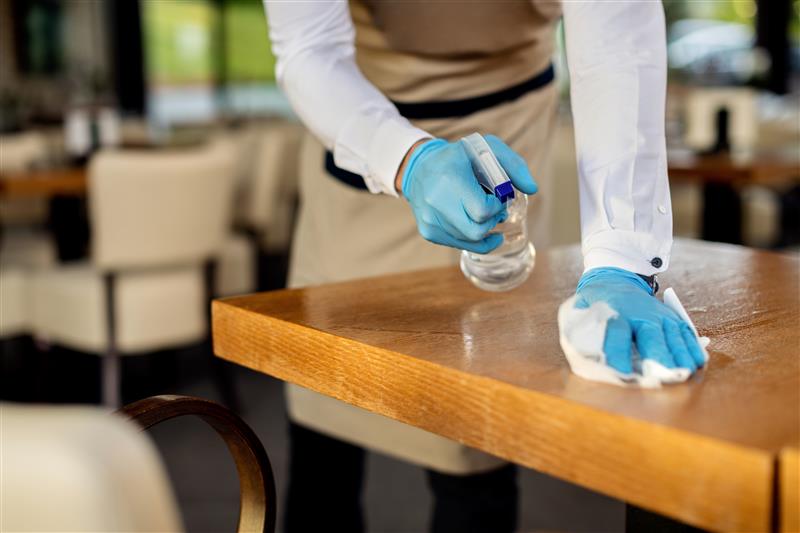
Owning poly furniture means fewer worries about rot, splinters, or constant upkeep, but even the toughest materials benefit from a little care. Whether you’re relaxing outdoors or hosting family gatherings, knowing how to clean poly furniture properly and maintain its finish year-round will keep your patio looking inviting and vibrant.
Poly lumber is crafted to resist fading, cracking, and mold, even in harsh sun or high humidity. However, particles like dust, pollen, algae, or bird droppings can become unsightly if left unattended. With the right routine and seasonal practices, your investment stays beautiful without effort.
If you’d like to browse quality products made from this durable material, start with the full range available at Poly Furniture.
1. Understand Why Poly Furniture Requires Minimal Care
Poly lumber is made from high-density polyethylene (HDPE), often recycled from plastic jugs. Unlike wood, it doesn’t absorb moisture, and it’s engineered to resist UV damage. Compared to metal sets, poly won’t rust. This makes it ideal for year-round outdoor exposure without rot, paint peeling, or termites.
Still, environmental debris, such as tree sap, bird droppings, or pollen, can cling to its surface. These don’t degrade the material, but can make your furniture look weathered if not periodically cleaned.
2. Quick Routine Cleaning: Spring and Summer Freshen-Ups
Maintaining a clean appearance is most important during the warmer months when outdoor furniture sees the most use. Rinse away loose debris with a garden hose, then wash gently using mild dish soap in warm water. A soft cloth or nylon brush is ideal, scrubbing lightly to remove grime from slatted areas, grooves, and between cushions.
After rinsing, let the pieces air dry completely. This straightforward routine keeps your poly surfaces looking fresh and ensures that moisture doesn’t accumulate.
3. Using a Bleach Cleaning Mix for Mold, Mildew, or Stubborn Stains
Even though poly doesn’t support mold growth, shaded or damp regions may show surface mildew after prolonged wet weather. For stubborn spots or stains, use this safe bleach cleaning mix:
- Combine one-third cup of household bleach with one gallon of water.
- Add a few drops of dish soap if desired.
- Apply to affected areas, wait five to ten minutes, then scrub gently.
- Rinse thoroughly, then dry.
Always spot-test a small, hidden area before wide application. Use gloves and avoid contact with bleach on plants or fabrics.
4. Summer Maintenance Tips to Keep Furniture Guest-Ready
Summer is when your furniture gets the most exposure to sunlight, food spills, and humidity. If you’re entertaining, take a few extra steps: wipe surfaces after meals, clean up spills immediately, and inspect for debris after windy days.
Cushions, if any, should be washed (if machine-safe) or brushed clean, then air dried fully before placing them back onto dry furniture. This reduces lingering moisture that might encourage mildew underneath, even on poly surfaces. For more tips and durable outdoor furniture care solutions, visit Dutch Boy Poly.
5. Winter Protection: Storage and Breathable Covering
Poly furniture is designed to withstand rain or snow, but cleaning it before winter can prevent grime or leaves from lingering. Remove cushions and store them indoors. If storage space permits, move your seating set into a shed or covered porch.
If it stays outdoors, use a breathable cover to prevent condensation buildup. Avoid plastic tarps, which trap moisture and may encourage mold under the cover.
6. Protective Sealants: Optional Shine Without Damage
While poly lumber doesn’t require paint or stain, some owners choose to boost the original finish. A plastic-safe UV protectant spray, such as 303 Aerospace Protectant, can help maintain colour vibrancy, especially on darker tones.
It’s critical to use products specifically rated for HDPE. Avoid waxes, varnish, or oil-based sealants, which can degrade plastic or leave a sticky residue.
7. Avoiding Common Care Mistakes
Simple habits make a difference. Never drag heavyweight furniture across abrasive surfaces; lift instead to prevent scratches to the legs or slats. Avoid highly abrasive scrubbers or steel wool, which may mar the finish. And never store wet cushions or towels on seats for extended periods, as trapped moisture could create residues or odors.
8. Knowing When to Deep Clean
Consider a deeper clean in spring as you prep for months of outdoor use. When pollen, oxidation, or soft stains appear, apply a more thorough soap wash or bleach solution. This often restores brightness and removes lingering residue that surface wipes can’t erase.
Regular light cleaning reduces the frequency of these intensive sessions.
Conclusion
Poly furniture offers remarkable convenience, withstanding sun, rain, bugs, and stains that typically challenge wood or metal sets. With minimal effort, soap, water, occasional bleach cleaning, and smart seasonal habits, you can enjoy year-round beauty and comfort in your outdoor space.
There’s no need for stripping, restaining, or repainting. Your furniture will benefit from gentle cleaning, mold prevention, and occasional UV protection if desired. Durable and low-maintenance, poly lumber is a wise long-term investment for any patio, deck, or porch.
To explore more examples of high-quality poly furniture and care tips for your specific pieces, visit the Dutch Boy Poly Furniture collection available online. For personalised maintenance advice or questions about winter care in your region, reach out through the customer care page, and the team will happily assist.