
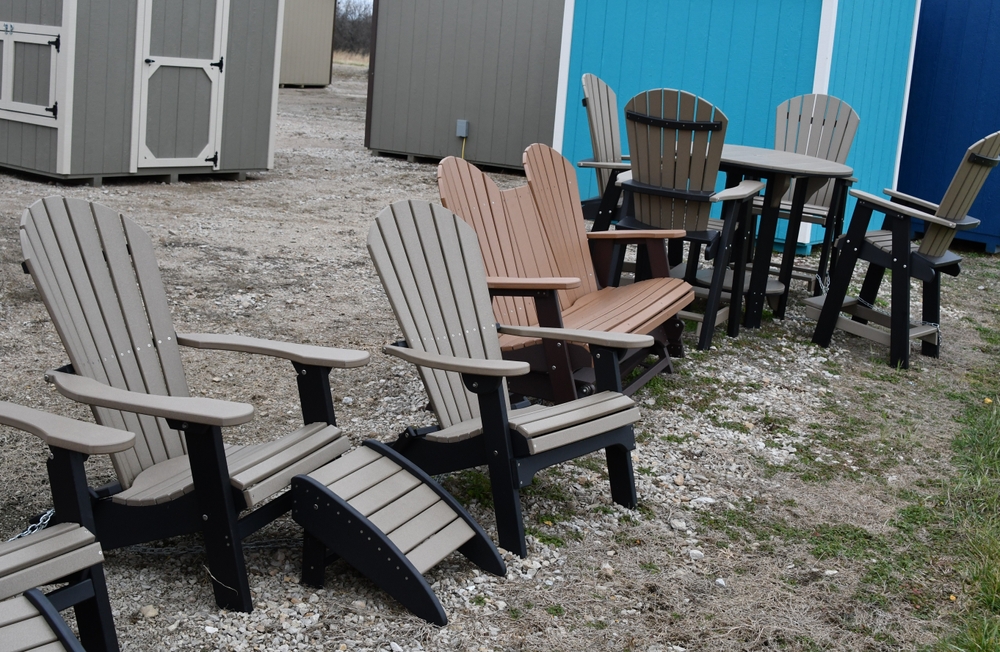
Poly Furniture has become a long lasting choice for outdoor and patio spaces, but many people are unsure how to handle Poly Furniture once it no longer fits their needs. Poly Furniture is designed to endure weather and wear, yet changes in layout or style often lead owners to replace Poly Furniture earlier than necessary. For eco conscious consumers, discarding Poly Furniture without exploring alternatives goes against sustainability values. Poly Furniture is commonly made from recycled plastic materials, meaning Poly Furniture can often be reused, repurposed, or responsibly recycled. Understanding how Poly Furniture fits into sustainable living encourages better disposal decisions. Poly Furniture supports circular use when managed thoughtfully. Learning how to extend the life of Poly Furniture helps reduce waste and reinforces sustainability practices. This guide explains how to recycle poly furniture, repurpose poly lumber, and make environmentally responsible choices.
Why Poly Furniture Is Worth Recycling or Repurposing
Poly Furniture is typically manufactured from recycled plastics formed into durable poly lumber. This material resists moisture, insects, and rot, which means older Poly Furniture often remains structurally reliable even when it shows cosmetic wear. Because of this durability, Poly Furniture is well suited for reuse rather than disposal.
Recycling or repurposing Poly Furniture supports sustainability practices by:
- Reducing plastic waste in landfills
- Extending the life of existing materials
- Lowering demand for new raw resources
Eco conscious consumers often appreciate that Poly Furniture begins its lifecycle with recycled content. Giving it a second or third use adds even more environmental value. Learning how Poly Furniture is designed for longevity becomes clearer when reviewing insights from a poly furniture brand focused on durable outdoor materials.
Assessing the Condition of Old Poly Furniture
Before deciding whether to recycle poly furniture or repurpose it, assessing its condition is essential. Many pieces that look worn still function well with minimal effort.
Key areas to evaluate include:
- Structural stability of legs and frames
- Surface condition such as scratches or fading
- Hardware condition including bolts and fasteners
Poly Furniture does not splinter or rot like wood, so surface wear is often cosmetic. This makes Poly Furniture suitable for DIY repurpose projects or garden project use where appearance is secondary to function. Even partially damaged pieces can be broken down into usable poly lumber sections.
Creative Ways to Repurpose Poly Lumber at Home
Repurposing poly lumber is one of the most effective ways to keep Poly Furniture in use. Poly lumber can be cut and shaped similarly to wood, making it adaptable for many projects.
Popular DIY repurpose ideas include:
- Raised garden beds for vegetables or flowers
- Outdoor storage benches or utility seating
- Planters, shelves, or edging for garden spaces
A garden project is a practical way to reuse Poly Furniture because poly lumber resists moisture and soil contact. This eliminates the need for chemical treatments often required with wood. Eco conscious households often prefer these projects because they combine function with sustainability.
When planning DIY repurpose projects, basic tools such as saws and drills are usually sufficient. Poly lumber does not require painting or sealing, which simplifies the process.
Donating Old Poly Furniture to Extend Its Use
If Poly Furniture is still functional but no longer needed at home, donating old furniture is another responsible option. Many community spaces benefit from durable, low maintenance outdoor seating and tables.
Before donating, ensure the furniture is clean and safe. Tighten loose hardware and remove any damaged components. Donating old furniture keeps materials in circulation and supports shared sustainability practices.
Common donation destinations include:
- Community gardens
- Schools or outdoor learning spaces
- Local nonprofit organizations
Poly Furniture works well in shared spaces due to its durability and minimal upkeep requirements.
Understanding Poly Lumber Recycling Options
When reuse is no longer possible, poly lumber recycling becomes the most responsible choice. Poly Furniture is typically recyclable through facilities that handle high density plastic materials.
Steps to prepare poly furniture for recycling include:
- Removing metal fasteners and hardware
- Confirming accepted materials with local recyclers
- Transporting furniture in manageable sections
Recycling programs vary by region, so research is important. Learning more about how different poly products are constructed can help clarify recycling options by reviewing a range of poly furniture and outdoor products made from recycled materials.
Sustainability Practices and Long Term Impact
Sustainability practices extend beyond recycling alone. Repair, reuse, and thoughtful maintenance all reduce environmental impact. Poly Furniture supports these practices because it is designed for long term use.
Choosing to recycle poly furniture or repurpose poly lumber contributes to:
- Reduced plastic waste
- Lower consumption of virgin materials
- Increased awareness of responsible material use
Eco conscious consumers often view Poly Furniture as part of a broader sustainability strategy rather than a disposable product.
Simple Maintenance to Extend Poly Furniture Life
Extending the usable life of Poly Furniture reduces the need for recycling or disposal. Simple care routines help maintain function and appearance.
Helpful maintenance practices include:
- Cleaning regularly with mild soap and water
- Tightening hardware as needed
- Protecting furniture during extreme weather
These small steps support sustainability practices by keeping Poly Furniture usable for many years.
When Recycling Is the Best Option
In some cases, Poly Furniture may be too damaged for repurpose or donation. Severe structural damage makes recycling the most responsible option. Recycling ensures the plastic material is processed into new products rather than sent to a landfill.
Eco conscious consumers should view recycling as a meaningful final step that keeps materials within a circular system.
Getting Guidance on Responsible Disposal
When unsure how to recycle or repurpose Poly Furniture, seeking guidance helps avoid improper disposal. Questions about recycling programs or material handling are best addressed directly.
For clarity on recycling options or responsible disposal methods, reaching out through a poly furniture contact and support resource can provide accurate direction.
Conclusion
Poly Furniture offers long lasting performance, but its usefulness does not end when its original purpose changes. By choosing to recycle poly furniture, repurpose poly lumber, or donate old furniture, eco conscious consumers reduce waste and support sustainability practices. Garden project ideas and DIY repurpose efforts give Poly Furniture extended life, while poly lumber recycling ensures materials remain in circulation. Thoughtful reuse and recycling decisions reflect responsible consumption and environmental care.
Frequently Asked Questions
1. Can poly furniture be recycled
Yes, most poly furniture can be recycled through facilities that accept high density plastics or specialized poly lumber recycling programs.
2. What are common ways to repurpose poly lumber
Poly lumber can be reused for garden beds, benches, planters, shelves, and other utility projects.
3. Is poly furniture safe for garden projects
Yes, poly lumber resists moisture and soil contact, making it suitable for many garden project uses.
4. Where can I donate old poly furniture
Community gardens, schools, and nonprofit organizations often accept durable outdoor furniture donations.
5. How does repurposing poly furniture support sustainability
Repurposing extends material life, reduces waste, and lowers demand for new resources, supporting sustainability practices.