
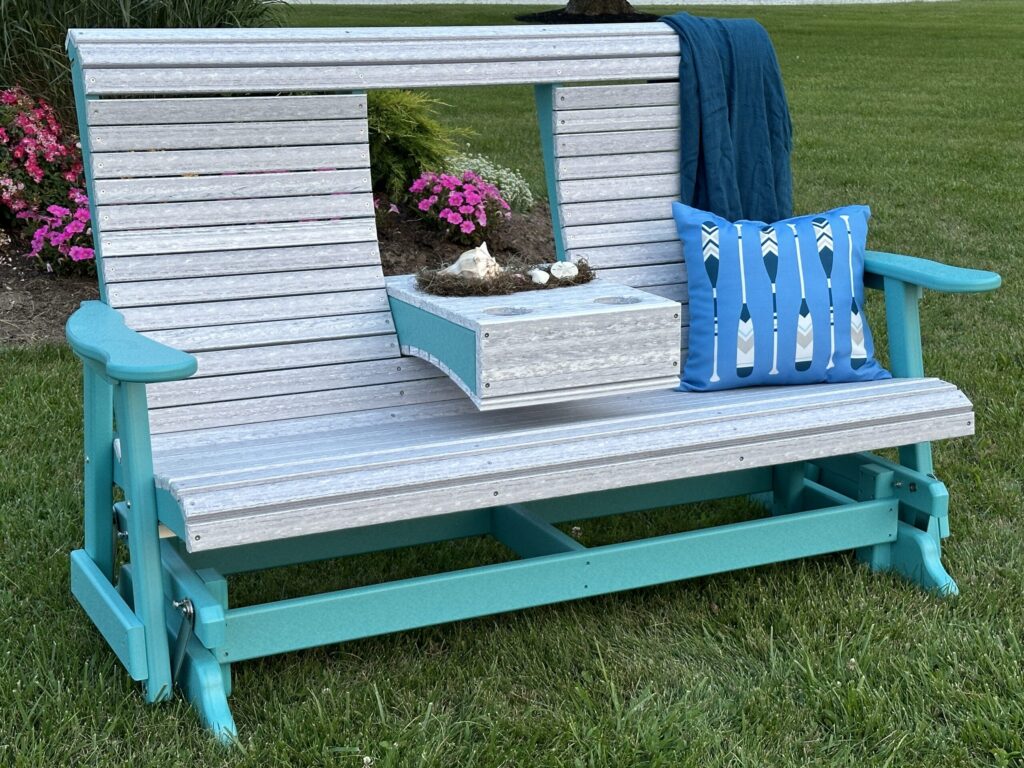
Using Polished Furniture in your garden provides a versatile foundation for creating visually appealing outdoor spaces. Beyond durability and low maintenance, the colors of your furniture can play a significant role in defining the atmosphere and enhancing your garden’s aesthetic. Thoughtful selection of shades and coordinating sets allows garden lovers and home decorators to create harmony, contrast, or focal points that elevate the overall outdoor décor.
Coloured poly furniture ideas can transform a standard patio or garden seating area into a curated design element. Bright tones can energize the space, muted shades bring subtle sophistication, and complementary colour palettes tie together natural surroundings and furniture pieces. Whether incorporating forest green benches to blend with lush foliage or ocean blue chairs to evoke a calming waterfront feeling, color choices are integral to a cohesive outdoor design strategy. Explore a wide selection of poly garden seating at garden furniture collection.
Why Colour Matters in Garden Design
Color is more than a decorative choice; it has psychological and visual impacts that influence how a garden feels. Selecting the right tones can make small spaces feel larger, draw attention to particular areas, or create a mood of relaxation or excitement.
1. Enhancing Space and Depth
Darker shades such as deep forest green or charcoal can ground a seating area, giving it structure within a sprawling garden. Light and vibrant shades like pastel yellow or turquoise can expand visual space and provide contrast against greenery. Poly furniture’s smooth surfaces and consistent colors allow these effects to be more pronounced than traditional painted wood that may fade unevenly.
2. Mood and Atmosphere
Color sets the tone for your outdoor space. Warm tones like terracotta or coral evoke a welcoming, lively environment. Cool tones such as ocean blue or slate grey introduce serenity and calm. By incorporating garden furniture colours into your layout, you can create areas that support different moods and activities.
3. Coordination with Garden Elements
Considering the surrounding environment is essential. Coordinating with plants, pathways, fences, and garden structures ensures furniture integrates naturally. Using colour palettes that complement existing flora and garden features results in a visually balanced and aesthetically pleasing design. For detailed design guidance, explore inspirational poly furniture designs for outdoor spaces at the patio furniture showcase.
Popular Coloured Poly Furniture Ideas
Selecting colors that resonate with your garden style is a creative process. Here are some popular approaches:
1. Forest Green Benches
Forest green benches are perfect for blending with leafy backdrops, providing a natural and grounded appearance. They are especially effective in shaded garden areas where darker tones complement dense foliage. A set of forest green benches can also define seating zones and add visual weight to specific corners of the garden.
2. Ocean Blue Chairs
Ocean blue chairs evoke a sense of calm and freshness. Ideal for spaces near water features or open patios, these chairs create a striking contrast with plants and neutral pathways. The bright yet soothing tone makes them versatile for both contemporary and traditional garden settings.
3. Pastel and Neutral Combinations
Using muted tones like soft grey, beige, or blush allows furniture to act as a subtle backdrop. These shades can work in coordination with brighter cushions or accessories for flexible styling. Poly furniture’s durable surfaces maintain color vibrancy even under sun exposure, making neutral palettes a practical choice for long-term design consistency.
4. Coordinating Sets
Mixing and matching colored pieces within coordinating sets encourages visual interest without overwhelming the space. For example, pairing ocean blue chairs with a pale grey table and forest green bench can create a layered look that is both structured and lively. Coordinating sets also simplify the selection process, helping you maintain a harmonious garden theme.
Colour Palettes and Outdoor Décor Trends
Trends in outdoor décor evolve with both interior design influences and natural aesthetics. Currently, several palette trends stand out for garden enthusiasts:
1. Monochromatic Harmony
Using variations of a single color creates depth without visual clutter. For example, combining light and dark shades of green in different poly furniture pieces unifies the space while adding subtle texture and interest.
2. Contrasting Colors
High-contrast combinations, such as pairing warm terracotta with cool ocean blue or sunny yellow with deep forest green, create vibrant focal points. These arrangements work well in modern gardens where bold statements are desired.
3. Nature-Inspired Schemes
Drawing from nature ensures effortless harmony. Earth tones, muted greens, soft blues, and sandy shades echo the garden environment and make furniture feel integrated rather than imposed. Poly furniture maintains these shades effectively over time without significant fading.
4. Accent Colors
Even within neutral or monochromatic setups, accent colors in chairs, cushions, or tables can guide attention and add personality. Accent pieces in bright coral, mustard yellow, or aqua can elevate standard poly furniture and provide focal points in larger garden layouts.
Designing for Garden Function and Flow
Color is a design tool, but functionality is equally important. Effective garden layouts consider traffic patterns, social zones, and activity areas.
1. Defining Zones
Color can help define garden zones for dining, lounging, or reading. Using distinct colored pieces for each area provides intuitive cues and enhances organization. For example, forest green benches can mark a shaded reading nook while ocean blue chairs define a patio dining area.
2. Balancing Bold and Subtle
Incorporating both bold and subdued tones prevents the space from feeling over-stimulating. Poly furniture allows for easy integration of strong colors due to its resilient, color-consistent surfaces. Coordinating strong hues with neutrals ensures a visually comfortable balance.
3. Seasonal Adaptability
Certain colors perform better in different seasons. Cool shades can refresh the garden in hot months, while warm shades add comfort and coziness in cooler months. Poly furniture’s fade-resistant surfaces allow you to experiment with seasonal palettes without losing vibrancy.
Practical Tips for Choosing Coloured Poly Furniture
- Consider the backdrop – Match or contrast furniture colors with plants, fences, and paths.
- Mix textures and tones – Combine smooth poly surfaces with natural wood or stone for depth.
- Use coordinating sets – Pre-selected sets simplify balancing colors and ensure harmony.
- Plan for sunlight exposure – Choose colors that maintain their appeal in direct sunlight.
- Think long-term – Poly furniture retains color better than painted wood, so plan for enduring aesthetic impact.
Recommended Poly Furniture Color Combinations
Poly Furniture Color | Suggested Pairings | Mood/Effect | Best Use in Garden |
Forest Green Benches | Beige or Sand Tables | Natural and calming | Shaded seating areas, leafy corners |
Ocean Blue Chairs | White or Grey Tables | Refreshing and serene | Patio dining, near water features |
Soft Grey Tables | Coral or Mustard Chairs | Balanced and elegant | Dining zones, mixed color palettes |
Pastel Yellow Benches | Slate Blue Chairs | Cheerful and vibrant | Sunny open areas, small garden spaces |
Terracotta Tables | Olive Green Chairs | Warm and inviting | Cozy outdoor dining, fall-themed gardens |
Aqua Accents (chairs or stools) | Neutral Beige Tables | Energetic and bright | Accent zones, focal points in large gardens |
Conclusion
Selecting the right poly furniture colors can dramatically enhance your garden’s visual appeal and atmosphere. From coloured poly furniture ideas like forest green benches and ocean blue chairs to well-planned garden furniture colours in coordinated sets, color decisions help define zones, moods, and design cohesion. Thoughtful use of color palettes, contrasts, and accents allows garden lovers to create a space that is both functional and visually inspiring.
For those exploring expert tips on outdoor furniture design and color selection, discover additional poly furniture options and styling guidance at outdoor design resource
Frequently Asked Questions
1. How do I choose colors for a small garden space?
Use lighter shades or monochromatic palettes to make the area feel larger. Small pops of bold color can create focal points without overwhelming the space.
2. Are poly furniture colors fade-resistant?
Yes. High-quality poly furniture is designed to retain its color over time, even with prolonged sun exposure, ensuring consistent aesthetic appeal.
3. Can I mix different colored poly furniture pieces?
Absolutely. Using coordinating sets or complementary colors allows mixing without creating visual chaos. Contrasts and accents enhance design interest.
4. Which colors work best with natural stone or wooden decks?
Neutral tones, muted greens, blues, and earth shades complement stone and wood, creating cohesive outdoor environments. Accent pieces in brighter colors can add energy.
5. How can colored poly furniture influence garden mood?
Warm tones create inviting, lively spaces, while cool tones promote relaxation. Color choice directs mood, defines zones, and sets the overall atmosphere.