
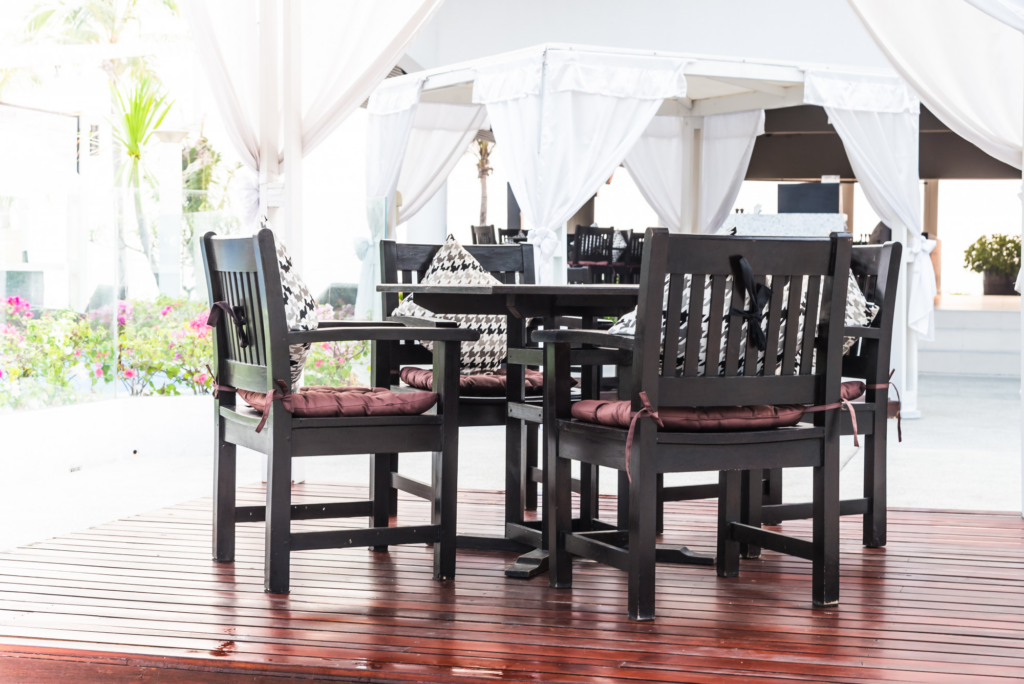
Outdoor tables play a central role in how people gather, dine, and relax outside. They influence not only seating capacity but also how a space flows and feels. Available in a range of shapes, round and rectangular designs are among the most common choices for backyard dining. These tables help define conversation areas, guide movement, and support different styles of outdoor living.
More than just functional surfaces, they act as visual anchors within a setting, affecting how guests interact and how efficiently the space is used. Choosing the right option involves balancing comfort, layout, and overall design to suit the environment.
Deciding between round and rectangular styles depends on how each performs in real world use. From seating arrangements to visual appeal, both offer distinct advantages based on the available space and how the area is intended to be used.
For those exploring different materials and configurations, reviewing outdoor dining table options can provide helpful context on available styles.
Understanding Round Outdoor Tables
Round outdoor tables are designed to create a more intimate and social dining experience. Their circular shape allows everyone seated to face each other equally, which encourages conversation and interaction.
This design works especially well in smaller spaces or areas where movement around the table needs to feel natural. Without sharp corners, round tables also create a softer visual presence, making them suitable for relaxed backyard settings. They are often chosen for patios or gardens where comfort and connection are priorities.
Key Features of Rectangle Outdoor Tables
Rectangle tables are known for their structured layout and ability to accommodate larger groups.
Key features include:
- Linear design that fits well in long or narrow spaces
- Increased seating capacity for gatherings
- Clear head and side seating arrangement
- Compatibility with benches or mixed seating
These characteristics make rectangle tables a practical choice for larger outdoor dining setups.
Space Efficiency and Layout Planning
The shape of a table directly impacts how efficiently outdoor space is used. Round tables require more open space around them to allow for movement, while rectangular tables can be placed closer to walls or edges.
In compact areas, a round table can create a central focal point, but it may limit the number of seats. Rectangular tables, on the other hand, can maximize seating without taking up unnecessary space. Understanding your layout helps determine which shape will work best.
Seating Capacity and Flexibility
Seating capacity is a key consideration when choosing outdoor tables.
Round tables offer:
- Even spacing between all seats
- Better interaction among guests
- Ideal setup for smaller groups
- Flexible seating without strict positions
This makes them suitable for casual dining and social gatherings.
Visual Impact on Backyard Design
Outdoor furniture contributes to the overall look and feel of a backyard. Table shape plays a significant role in defining that aesthetic.
Round tables create a softer and more organic appearance, which blends well with natural surroundings. Rectangular tables provide a more structured and formal look, often complementing modern or symmetrical layouts.
The choice between these styles depends on the overall design theme and how the table fits within the space.
Functionality for Everyday Use
Functionality goes beyond seating capacity and includes how the table supports daily activities.
Rectangle tables offer:
- More surface area for serving dishes
- Defined seating positions for organized dining
- Easier pairing with benches or additional seating
- Better suitability for larger meals or gatherings
These features make them ideal for households that frequently host guests.
Movement and Accessibility
Ease of movement around the table is an important factor, especially in busy outdoor spaces. Round tables allow for smoother flow since there are no corners to navigate around.
Rectangular tables may require more careful placement to ensure there is enough room for chairs and movement. However, they can be positioned against walls or railings, which helps save space in certain layouts.
Considering how people will move around the table helps improve overall usability.
Material Considerations for Outdoor Tables
Material selection affects durability, maintenance, and appearance.
Common materials include:
- Wood for a traditional look
- Metal for strength and structure
- Outdoor poly furniture for weather resistance
- Composite materials for low maintenance
Each material offers different benefits depending on climate and usage.
Pub Height vs Standard Height Tables
Table height is another factor that influences comfort and functionality. Standard height tables are more common for dining, while pub height tables create a more casual and elevated experience.
Pub height tables can work well in smaller spaces or for informal gatherings. They also provide a different visual dynamic, making them a popular choice for patios or bar style setups.
Choosing the right height depends on how the table will be used and the type of seating preferred.
Matching Tables with Seating Options
The type of seating used with outdoor tables affects both comfort and design.
Rectangle tables pair well with:
- Benches for space efficiency
- Mixed seating arrangements
- Chairs with armrests for comfort
- Extended seating for larger groups
This flexibility allows for more customization in outdoor dining setups.
Durability and Weather Resistance
Outdoor tables must withstand exposure to weather conditions. Materials like outdoor poly furniture are designed to resist moisture, sunlight, and temperature changes.
Durability is especially important for long term use. Tables that require minimal maintenance can provide better value over time. For those exploring durable options, browsing collections from Dutch Boy Poly outdoor furniture can offer insight into material performance and design variety.
Choosing Based on Backyard Size
Backyard size plays a significant role in determining the best table shape.
Smaller spaces benefit from round tables because they create a central gathering point without overwhelming the area. Larger spaces can accommodate rectangular tables that provide more seating and structure.
Matching the table size and shape to the available space ensures better functionality and visual balance.
Style Preferences and Design Themes
Personal style influences the final decision when selecting outdoor tables. Some homeowners prefer a relaxed and informal setting, while others aim for a more structured and polished look.
Round tables align with casual and social environments, while rectangular tables support more formal dining arrangements. The choice should reflect how the space is used and the overall design vision.
Making the Right Choice for Your Needs
Selecting between round and rectangle outdoor tables involves balancing multiple factors.
Key considerations include:
- Available space and layout
- Number of people typically seated
- Preferred style and design
- Intended use for dining or gatherings
Evaluating these elements helps homeowners choose a table that fits both functional and visual needs.
Conclusion
Outdoor Tables are an essential part of backyard dining, influencing comfort, layout, and overall experience. Round tables offer a more intimate and flexible setup, while rectangular tables provide structure and greater seating capacity.
By understanding the differences in space efficiency, functionality, and visual appeal, homeowners can make a more informed decision. Both options have their advantages, and the right choice depends on how the outdoor space is used.
For additional ideas and configurations, exploring outdoor furniture and table solutions can provide further guidance.
FAQs
1. Which is better for small spaces, round or rectangle outdoor tables?
Round tables are generally better for small spaces because they allow easier movement and create a central gathering area. They also eliminate sharp corners, making the space feel more open and accessible.
2. Do rectangle outdoor tables seat more people?
Yes, rectangular tables typically offer more seating capacity due to their extended shape. They are ideal for larger families or gatherings where additional seating is required.
3. Are outdoor poly furniture tables durable?
Outdoor poly furniture is highly durable and resistant to weather conditions. It does not easily warp, crack, or fade, making it a reliable choice for long term outdoor use.
4. What is the benefit of a pub height dining table outdoors?
A pub height dining table creates a more casual and elevated dining experience. It works well for smaller spaces and adds a different visual element to outdoor setups.
5. How do I choose the right outdoor table shape?
Consider your available space, seating needs, and design preferences. Round tables are better for smaller, social settings, while rectangular tables suit larger and more structured dining areas.