
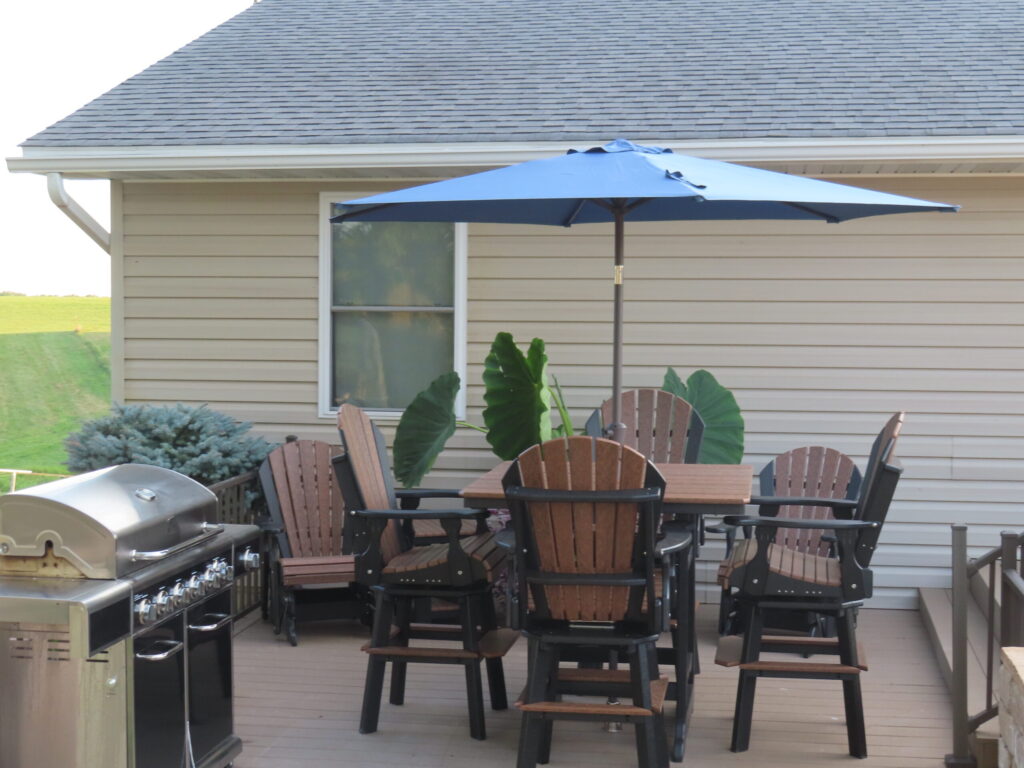
Outdoor furniture enhances the comfort and charm of patios, gardens, and pool areas. Among all materials, poly furniture stands out for its exceptional strength, easy maintenance, and weather resistance. However, even this durable material benefits from regular attention and a structured care plan throughout the year.
Proper upkeep ensures your furniture looks new, remains safe to use, and withstands seasonal changes with minimal wear. Whether you’re getting ready for warmer months or preparing for freezing temperatures, following a simple care schedule can preserve both appearance and functionality.
Homeowners interested in understanding poly furniture design, quality, and features can explore more details through this outdoor furniture guide.
Why Seasonal Maintenance Matters for Poly Furniture
Poly furniture, often crafted from high-density polyethylene (HDPE), resists moisture, rust, and UV damage better than wood or metal alternatives. Still, consistent care plays an important role in protecting its finish and hardware.
Temperature shifts, debris buildup, and exposure to elements can dull surfaces or loosen fittings over time. A seasonal checklist provides structure, ensuring that cleaning, inspection, and storage routines happen at the right intervals.
Regular upkeep also reduces long-term costs by preventing early replacement and minimizes the environmental impact of repairs or replacements.
Seasonal Poly Furniture Care Overview
Below is a simplified overview of what seasonal care includes throughout the year.
Season | Focus Area | Maintenance Tasks | Frequency |
Spring | Cleaning and Inspection | Wash surfaces, tighten bolts, UV seal | Once at start of season |
Summer | Ongoing Upkeep | Quick wipe-downs, cushion care | Weekly or as needed |
Fall | Preparation for Storage | Clean, dry, and inspect for wear | Once before storage |
Winter | Protection and Storage | Cover or store indoors, dry cushions | Full season |
Each season complements the next, forming a continuous care cycle that keeps furniture durable and visually appealing.
For practical accessories, replacement parts, and maintenance tools, review this detailed section on poly furniture essentials.
Spring and Summer: Getting Ready for Use
Spring marks the time to refresh your patio or garden setup. After months of limited outdoor use, surfaces may show light dirt or dust accumulation. Begin with thorough cleaning and inspection before returning the furniture to daily use.
1. Cleaning After Winter
Start with a mild soap solution and soft cloth. Avoid abrasive tools, as they can scratch the smooth surface of poly furniture. Rinse using a hose with gentle pressure, then air dry naturally.
This process restores brightness and eliminates winter residues such as pollen or salt from melting snow.
2. UV Sealing for Protection
Although poly furniture is resistant to sunlight, adding a UV protectant or surface spray enhances long-term color stability. This is especially valuable in bright, direct-sun areas. Apply the sealant evenly and allow it to dry before setting up cushions or decor.
3. Cushion Protection
Cushions add comfort but are often the first to show seasonal wear. For effective cushion protection, wash removable covers according to their care instructions and let them dry thoroughly. During peak humidity, store spare cushions indoors when not in use.
4. Tightening and Inspection
Inspect all bolts, screws, and joints. Temperature changes can subtly shift fittings. Tightening these ensures consistent stability and prevents premature loosening during summer use.
5. Weekly Summer Upkeep
Once your furniture is clean and ready for summer, light weekly maintenance is enough. Simply dust surfaces, wipe away sunscreen or beverage residues, and check for any signs of buildup. This keeps your setup fresh all season long.
Fall and Winter: Protecting Against the Elements
As temperatures drop, preparation shifts from active use to long-term protection. Poly furniture is weather-resistant, but safeguarding it during cold and wet months ensures it retains its shape and surface integrity.
1. Pre-Storage Cleaning
Before putting furniture away, wash and dry every piece completely. Dirt or moisture trapped during storage can cause surface film or odor. A clean surface also helps covers fit properly without abrasion.
2. Proper Drying and Airflow
Even though poly furniture repels water, small areas like joints or undersides can hold moisture. After cleaning, place the furniture in an open, dry area for several hours to ensure all surfaces are moisture-free.
3. Indoor vs. Outdoor Storage
If possible, move pieces into a shed, garage, or covered patio. When outdoor storage is necessary, use breathable covers that prevent condensation but block snow or debris. Avoid sealing covers tightly with plastic or vinyl wrap, as it can trap moisture and cause discoloration.
4. Hardware and Frame Care
Metal fasteners and connecting points may require a thin layer of non-corrosive lubricant to prevent rust. A quick inspection during seasonal poly furniture care helps you catch early signs of corrosion or minor wear.
5. Cushion and Fabric Storage
Cushions should be kept indoors during winter. Store them in breathable fabric bags or containers with light air circulation to avoid mildew. Never store wet fabrics in sealed bins.
Additional Care Tips for All Seasons
Whether in full sun or under shelter, poly furniture thrives with minimal but consistent upkeep. Incorporate these habits into your year-round routine:
- Avoid direct heat exposure: Keep furniture away from fire pits or grills to prevent softening.
- Rotate placement: Shift pieces occasionally to avoid uneven fading.
- Regular seasonal inspections: Spot potential issues like cracks or loose joints early.
- Use mild cleaning agents: Harsh chemicals can weaken fasteners and dull finishes.
- Store cushions properly: Always let them dry completely before packing away.
By following these preventive measures, you can maintain both appearance and structure for many years.
Seasonal Furniture Checklists
A clear checklist makes seasonal upkeep simple and repeatable. Below is a comprehensive list divided by season.
Spring Checklist
- Wash all poly surfaces with mild detergent
- Inspect for cracks or fading
- Tighten screws and joints
- Apply UV sealant or surface protectant
- Clean and dry cushions thoroughly
- Arrange furniture layout for optimal shade
Summer Checklist
- Wipe surfaces weekly
- Store extra cushions indoors
- Avoid direct contact with high heat sources
- Rinse with water to remove dust or sunscreen residue
- Perform quick hardware inspection once a month
Fall Checklist
- Clean all pieces before storage
- Air dry furniture for several hours
- Check for rust or discoloration on fasteners
- Store cushions separately in breathable fabric bags
- Cover outdoor pieces with lightweight covers
Winter Checklist
- Inspect covers for proper fit
- Keep stored pieces off damp ground
- Avoid sealing with non-breathable plastics
- Reapply protective lubricant to metal areas
- Plan early for spring cleaning and reassembly
Eco-Friendly Maintenance Practices
Caring for poly furniture is inherently eco-conscious since the material is made from recycled plastics and requires fewer chemical treatments than wood or metal. However, your maintenance choices can make it even more sustainable:
- Use biodegradable soaps during cleaning.
- Avoid bleach or chemical-heavy sprays.
- Recycle old cushions or fabrics instead of discarding them.
- Use sunlight for natural drying instead of heat tools.
These small adjustments help minimize your environmental footprint while keeping your furniture looking new.
Common Mistakes to Avoid
- Skipping cleaning before storage: Dirt left on the surface can harden during winter and become difficult to remove.
- Using harsh scrubbing pads: These can create dull spots or micro scratches.
- Sealing covers too tightly: Prevents ventilation and leads to mildew.
- Neglecting cushion care: Fabric absorbs moisture easily if not properly dried.
- Forgetting spring inspections: Delayed checks may result in unnoticed hardware damage.
Avoiding these mistakes ensures your furniture remains in great shape year after year.
Creating a Maintenance Schedule
For homeowners managing multiple pieces, scheduling care ensures nothing is missed. Use reminders for spring setup and fall preparation. Each major cleaning should take only a few hours per set, depending on the size of your outdoor space.
A calendar-based approach keeps your maintenance consistent and helps plan UV sealing and cushion washing at optimal intervals.
Conclusion
Poly furniture combines aesthetic appeal with reliable durability, making it an ideal choice for outdoor living. Still, like any quality product, it performs best with structured care across seasons.
By following seasonal poly furniture care routines — including spring cleaning, cushion protection, UV sealing, and thoughtful winter storage — you maintain both comfort and longevity. Regular furniture checklists simplify the process, ensuring your investment remains vibrant for years to come.
For more guidance or personalized product recommendations, reach out through this outdoor care contact page.
Frequently Asked Questions
1. Can poly furniture stay outside all winter?
Yes, but it’s best to use breathable covers or move pieces to a sheltered area. This reduces exposure to snow and moisture.
2. Does poly furniture need UV protection every year?
A single UV protectant application before summer helps maintain color vibrancy and surface integrity.
3. How do I clean poly furniture safely?
Use mild soap, water, and a soft cloth. Avoid power washers or bleach-based cleaners.
4. Are cushions waterproof?
Most are water-resistant, not waterproof. Always dry them fully after washing or rain exposure.
5. What’s the benefit of storing cushions separately?
Separate storage prevents moisture buildup and extends the lifespan of fabrics and padding.