
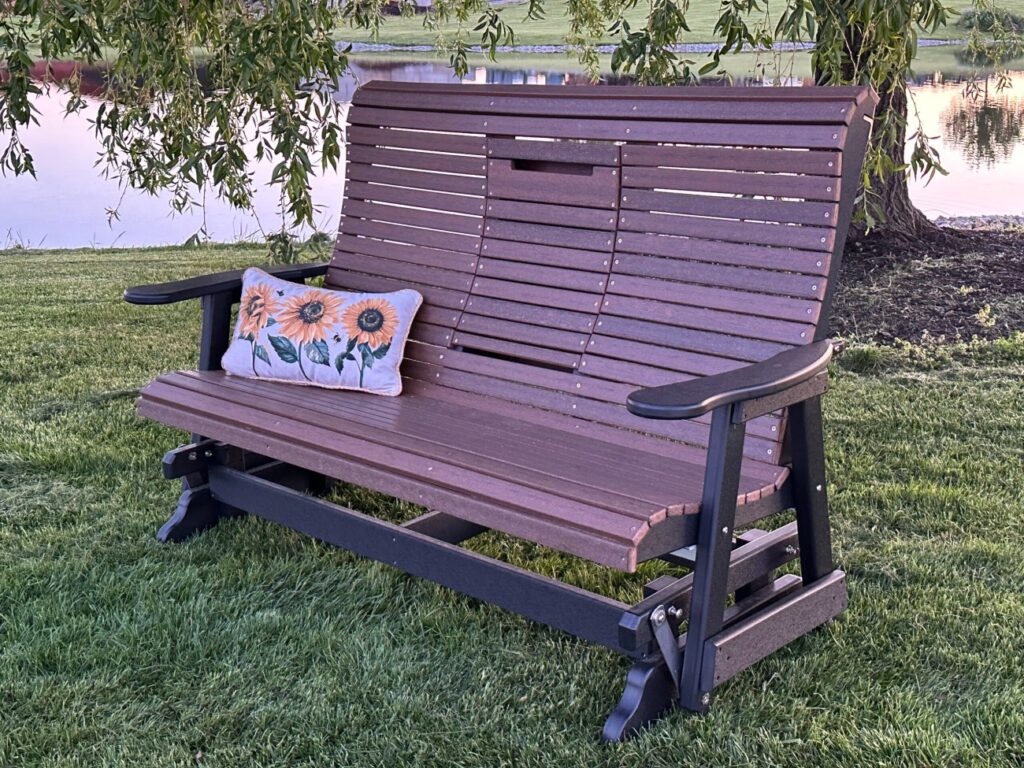
Polywood outdoor furniture is often chosen by homeowners who want seating and tables that perform reliably throughout the year. Designed to handle rain, sunlight, heat, and cold, this material avoids many of the structural problems associated with traditional wood or metal options. Its appeal lies in durability rather than seasonal aesthetics, making it suitable for patios, decks, poolside areas, and gardens where weather exposure is unavoidable. By withstanding moisture, temperature shifts, and UV exposure, it supports outdoor living with fewer ongoing concerns. Many homeowners value this type of furniture not just for how it looks, but for its consistent performance and low maintenance requirements over time.
Material durability is also a core principle in broader design environments. Similar thinking around longevity and performance can be seen in spatial design approaches such as those discussed in material focused design environments.
What polywood material is made from
Polywood furniture is manufactured using high density polyethylene, a durable plastic material commonly produced from recycled household items such as milk jugs and detergent containers. These plastics are processed into solid boards that visually resemble timber planks.
Key characteristics of polywood material include:
- Dense, non porous structure
- Resistance to water absorption
- Uniform composition throughout the board
Unlike natural wood, polywood does not contain organic fibres that swell or decay. This structural difference plays a major role in its ability to perform outdoors over long periods.
How polywood handles rain and moisture
Moisture is one of the most damaging elements for outdoor furniture. Wood can rot or crack, while metal can corrode over time. Polywood outdoor furniture avoids these issues because it does not absorb water.
Rainwater remains on the surface and dries naturally or can be wiped away without affecting the material. This makes polywood suitable for uncovered outdoor areas.
Common moisture related advantages include:
- No swelling or warping after rainfall
- No risk of rot or mould growth
- Stable shape after repeated wet conditions
These qualities support its classification as waterproof outdoor furniture.
Resistance to humidity and coastal conditions
Coastal and humid environments present additional challenges for outdoor materials. Salt in the air and constant moisture often accelerate deterioration.
Polywood material resists salt corrosion and does not react chemically to humid air. This makes it well suited for properties near the ocean or in tropical regions.
Homeowners in these areas often search for durable outdoor tables that can remain outdoors year-round without frequent replacement.
Performance in heat and sun exposure
Direct sunlight and high temperatures can cause fading, cracking, or surface breakdown in many outdoor materials. Polywood furniture is manufactured with ultraviolet stabilisers to limit sun related damage.
While surfaces may warm when exposed to direct sunlight, the material does not split or become brittle.
Sun exposure benefits of polywood include:
- Reduced fading compared to painted wood
- No peeling or surface coating failure
- Structural stability in prolonged heat
This makes it suitable for outdoor spaces in warm and high sun climates.
Cold weather durability and freeze resistance
Cold climates introduce freeze thaw cycles that can weaken outdoor furniture. Water trapped in wood expands when frozen, leading to cracks and damage.
Polywood does not absorb water, so freeze related expansion is not an issue. The material remains structurally stable in low temperatures.
This allows polywood furniture to stay outdoors during winter without the need for seasonal storage.
Structural strength and everyday use
Durability also relates to how furniture handles daily use. Polywood boards are heavy and dense, offering solid support for seating and tabletops.
The material resists damage commonly caused by everyday use, including:
- Cracking from weight or pressure
- Splintering along edges
- Damage from insects or pests
These qualities make polywood furniture suitable for households with frequent outdoor activity.
Maintenance requirements over time
One of the most practical advantages of polywood outdoor furniture is low maintenance. Unlike timber, it does not require sealing, staining, or repainting.
Typical care involves:
- Cleaning with mild soap and water
- Occasional rinsing to remove dirt or salt
- No protective treatments required
This simplifies long term ownership and reduces maintenance related costs.
Color retention and surface finish
Polywood furniture usually features colour blended throughout the material rather than applied as a surface finish. This helps maintain a consistent appearance over time.
Minor scratches are less noticeable because they do not expose a different underlying colour. While some fading may occur over many years, it tends to be gradual and even.
Environmental considerations
Polywood furniture often incorporates recycled plastics, contributing to material reuse and waste reduction. By repurposing plastic products, the material supports longer life cycles.
Environmental considerations associated with polywood include:
- Use of recycled raw materials
- Long service life reducing replacement frequency
- Minimal chemical treatments during use
Sustainability impact depends on manufacturing practices, but material reuse remains a defining aspect.
Comparing polywood to traditional outdoor materials
Polywood offers a balance between appearance and durability when compared to traditional outdoor furniture materials.
Compared to wood:
- No rot or insect damage
- No need for refinishing
- Better moisture resistance
Compared to metal:
- No rust or corrosion
- More comfortable surface temperatures
- Less maintenance over time
These comparisons help explain why homeowners consider polywood as a long term option.
Choosing furniture based on climate and location
Climate plays a significant role in material selection for outdoor furniture. Areas with heavy rainfall, strong sun, or freezing winters require materials that adapt to environmental stress.
Polywood outdoor furniture performs consistently across varied climates due to its resistance to moisture, heat, and cold. This versatility supports its use in many regions.
Design applications and outdoor living spaces
Polywood furniture is commonly used in patios, decks, gardens, and poolside settings. Its durability allows for permanent outdoor placement without seasonal storage requirements.
Designers often consider material performance in outdoor environments in the same way durability is assessed in built spaces, as discussed through broader design perspectives.
Understanding manufacturing standards
Quality can vary among poly furniture manufacturers. Factors such as board thickness, hardware quality, and construction methods influence long term performance.
High quality manufacturing often includes:
- Stainless steel or corrosion resistant fasteners
- Precision cut components for stability
- Reinforced joints for structural strength
Understanding these details helps homeowners evaluate product quality more effectively.
Long term value for homeowners
While initial cost may be higher than some alternatives, long term value is reflected in durability and reduced maintenance. Furniture that remains functional and visually consistent for many years can reduce replacement cycles.
This long term perspective aligns with how homeowners plan outdoor investments focused on usability rather than short term trends.
Conclusion
Polywood Outdoor Furniture is designed to support all-weather living through resistance to moisture, sun exposure, temperature changes, and everyday use. Its performance across varied climates makes it suitable for long-term outdoor placement without extensive maintenance. By understanding how polywood compares to traditional materials, homeowners can make informed decisions based on durability and reliability. Polywood Outdoor Furniture supports outdoor living spaces that remain functional and consistent over time. Broader discussions on material performance and longevity can also be explored by getting in touch with our design experts to gain insights on how material choices influence long-term outcomes.
Frequently asked questions
1. What is polywood outdoor furniture made from
Polywood furniture is made from high density polyethylene, often sourced from recycled plastic materials.
2. Is polywood considered waterproof outdoor furniture
Yes, polywood does not absorb water and resists damage from rain and moisture.
3. Can polywood furniture stay outside year round
Polywood furniture is designed for year round outdoor use in both hot and cold climates.
4. Does polywood furniture fade in the sun
Polywood includes UV stabilisers that help limit fading over long periods of sun exposure.
5. How do I clean polywood outdoor furniture
Cleaning usually involves mild soap and water with no need for sealing or special treatments.