
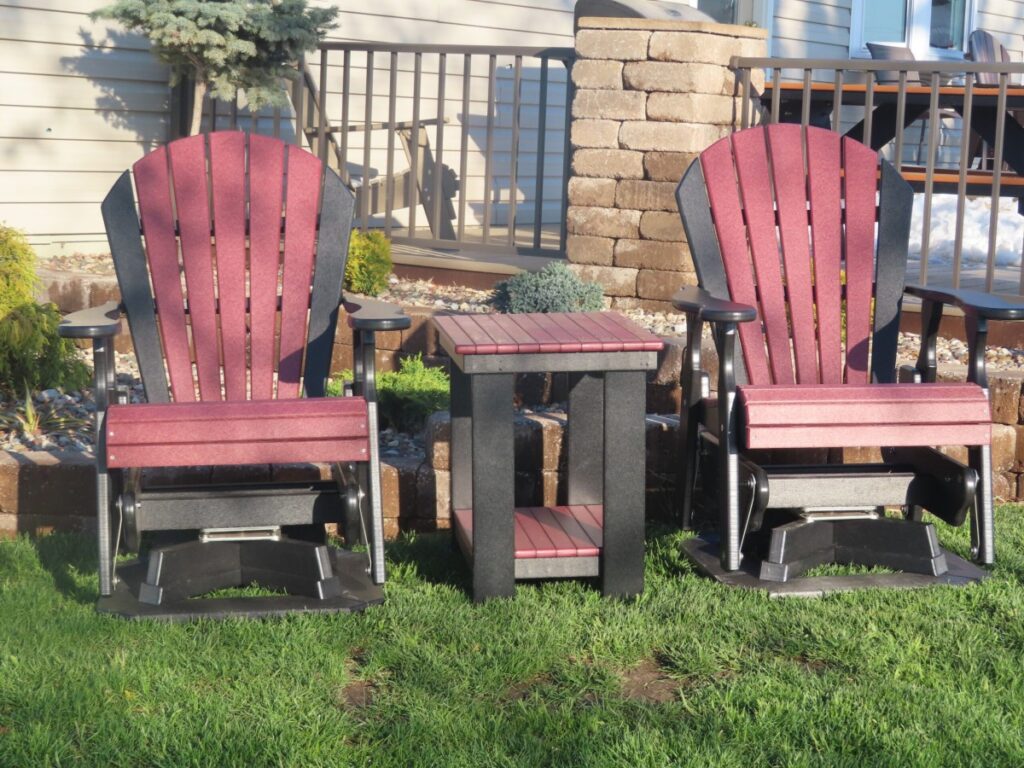
Waterproof outdoor furniture is an important factor for homeowners designing a backyard that can cope with rain, humidity, and changing weather conditions. Choosing water resistant materials allows outdoor areas to remain functional without constant worry about moisture damage. Unlike traditional options, these pieces are less prone to warping, rust, or gradual deterioration caused by repeated exposure to water. This makes them well suited to year round outdoor use, particularly on decks, patios, and in garden settings. Rather than focusing on seasonal appearance, the emphasis is placed on long term performance and resilience. Understanding how different materials respond to ongoing water exposure helps homeowners make practical, climate appropriate decisions that support durability over time.
Before comparing materials and styles, it is helpful to explore how durable outdoor products are typically designed and constructed. General insights into outdoor furniture materials and construction can be found through outdoor furniture resources.
Why waterproof performance matters in outdoor furniture
Outdoor furniture is exposed to rain, morning dew, humidity, and occasional spills. When furniture absorbs moisture, it can lead to structural damage, mold growth, or surface breakdown.
Waterproof performance ensures that furniture maintains its shape and strength after repeated exposure to moisture. It also reduces maintenance demands, as furniture does not need constant drying or protective treatments.
For buyers comparing outdoor options, waterproof capability is one of the most important functional factors to consider.
Understanding what waterproof really means
Not all outdoor furniture labeled as weather resistant is fully waterproof. Waterproof materials do not absorb water into their structure, while water resistant materials may tolerate light exposure but still degrade over time.
Key characteristics of waterproof outdoor furniture include:
- Non porous material composition
- Resistance to swelling and warping
- No internal moisture retention
Understanding this distinction helps buyers avoid materials that appear suitable but fail under prolonged exposure.
Common materials used in waterproof outdoor furniture
Several materials are commonly associated with waterproof outdoor furniture. Each has different advantages depending on climate, use, and maintenance expectations.
Popular waterproof materials include:
- Polyethylene based poly furniture
- Certain synthetic resins
- Marine grade plastics
Traditional wood and untreated metal generally do not qualify as waterproof, even when marketed for outdoor use.
Poly furniture as a waterproof option
Poly furniture is made from high density polyethylene, a plastic material that does not absorb water. This makes it a strong candidate for waterproof outdoor furniture in many climates.
Because poly material is solid throughout, moisture cannot penetrate the surface. This helps prevent cracking, rotting, or internal damage.
Buyers often search for poly furniture near me or outdoor poly furniture near me when looking for long lasting backyard seating that can remain outdoors year round.
Polywood deck furniture and moisture resistance
Polywood deck furniture is a specific type of poly furniture designed to resemble wood planks while offering plastic durability. The boards are formed from recycled plastics and engineered for outdoor use.
Advantages of polywood deck furniture include:
- Resistance to rain and humidity
- No need for sealing or staining
- Stable shape across temperature changes
These features make it suitable for decks where water exposure is frequent.
Comparing waterproof materials to traditional wood
Wood is often chosen for its appearance, but it requires regular maintenance to manage moisture exposure. Even treated wood can absorb water over time.
Compared to wood, waterproof outdoor furniture materials offer:
- No rot or mold risk
- No splintering after rain
- Lower long term maintenance
Buyers who prioritize performance over natural texture often prefer waterproof materials.
Metal furniture and waterproof considerations
Metal furniture is sometimes marketed as weatherproof, but many metals are only water resistant. Steel and iron can rust, while aluminum performs better but may still corrode in certain environments.
Metal furniture often requires protective coatings to remain functional outdoors. Scratches or wear can expose the metal underneath, allowing moisture damage.
This makes metal a less reliable choice for fully waterproof outdoor furniture in wet climates.
Climate factors to consider when choosing furniture
Climate plays a major role in selecting outdoor furniture. Regions with frequent rain, high humidity, or freeze thaw cycles require materials that can handle constant moisture exposure.
When evaluating waterproof outdoor furniture, consider:
- Average rainfall and humidity levels
- Exposure to direct sunlight
- Seasonal temperature changes
Matching furniture materials to climate conditions improves long term performance.
Maintenance expectations for waterproof furniture
One of the main advantages of waterproof outdoor furniture is reduced maintenance. Materials that do not absorb water are easier to clean and maintain.
Typical maintenance tasks include:
- Washing with mild soap and water
- Occasional rinsing to remove dirt
- No need for sealing or refinishing
This simplicity appeals to buyers who want functional outdoor spaces without ongoing upkeep.
Comfort and design considerations
While waterproof performance is important, comfort and design still matter. Waterproof materials are available in a wide range of seating styles, table designs, and finishes.
Poly furniture, for example, can be shaped into ergonomic seating with smooth surfaces that remain comfortable after rain.
Design choices should support how the backyard will be used, whether for dining, lounging, or entertaining.
Durability and everyday use
Waterproof outdoor furniture must also withstand everyday use. Chairs, tables, and benches should support weight, movement, and frequent interaction without weakening.
High quality waterproof materials resist:
- Cracking under pressure
- Surface wear from regular use
- Damage from insects or pests
Durability ensures furniture remains safe and functional over time.
Understanding manufacturing quality
Not all waterproof furniture is manufactured to the same standard. Construction methods, hardware quality, and material thickness all affect longevity.
Reliable manufacturers often use:
- Corrosion resistant fasteners
- Solid board construction
- Reinforced joints
Reviewing product construction details can help buyers make informed comparisons. A clearer overview of product ranges and construction approaches can be found through outdoor furniture collections.
Budget considerations and long term value
Waterproof outdoor furniture may have a higher initial cost than basic outdoor options. However, long term value is measured through lifespan and reduced maintenance.
Furniture that lasts many years without repair or replacement can be more cost effective than cheaper alternatives that deteriorate quickly.
Buyers comparing options should consider total cost over time rather than purchase price alone.
Choosing furniture for decks, patios, and yards
Different outdoor spaces place different demands on furniture. Decks may experience standing water, while patios may be exposed to reflected heat.
Polywood deck furniture is often chosen for elevated spaces due to its moisture resistance and structural stability.
Matching furniture type to the specific outdoor area improves performance and usability.
Storage and year round placement
One benefit of waterproof outdoor furniture is the ability to leave it outdoors year round. Unlike cushions or untreated wood, waterproof materials do not require seasonal storage.
This convenience supports consistent backyard use without the need for frequent setup or removal.
Environmental considerations
Many waterproof furniture materials, especially poly furniture, are made from recycled plastics. This reuse of materials helps reduce waste.
Environmental factors to consider include:
- Use of recycled content
- Long product lifespan
- Reduced need for chemical treatments
While impact varies by manufacturer, material longevity contributes to sustainability.
Making an informed buying decision
Choosing waterproof outdoor furniture involves balancing material performance, comfort, design, and budget. Buyers benefit from understanding how materials behave rather than relying on appearance alone.
Researching manufacturers, reviewing construction details, and considering climate conditions all support better decisions.
Conclusion
Waterproof Outdoor Furniture plays a vital role in creating backyards that remain functional and comfortable in all weather conditions. By understanding material differences, moisture resistance, and maintenance requirements, buyers can make informed choices that suit their climate and lifestyle. Waterproof Outdoor Furniture reduces long-term upkeep while supporting consistent outdoor use. Materials such as poly and polywood deck furniture offer reliable performance where traditional options fall short. For more on the company’s commitment to quality and craftsmanship, visit our About page
Frequently asked questions
1. What makes outdoor furniture waterproof
Waterproof furniture is made from non porous materials that do not absorb water, preventing swelling and internal damage.
2. Is poly furniture considered waterproof outdoor furniture
Yes, poly furniture is made from plastic materials that resist water absorption and moisture damage.
3. Can waterproof outdoor furniture stay outside year round
Most waterproof furniture can remain outdoors year round without damage, depending on construction quality.
4. Does waterproof furniture require maintenance
Maintenance is minimal and usually limited to basic cleaning with soap and water.
5. Is polywood deck furniture suitable for wet climates
Yes, polywood deck furniture performs well in wet and humid conditions due to its moisture resistance.