
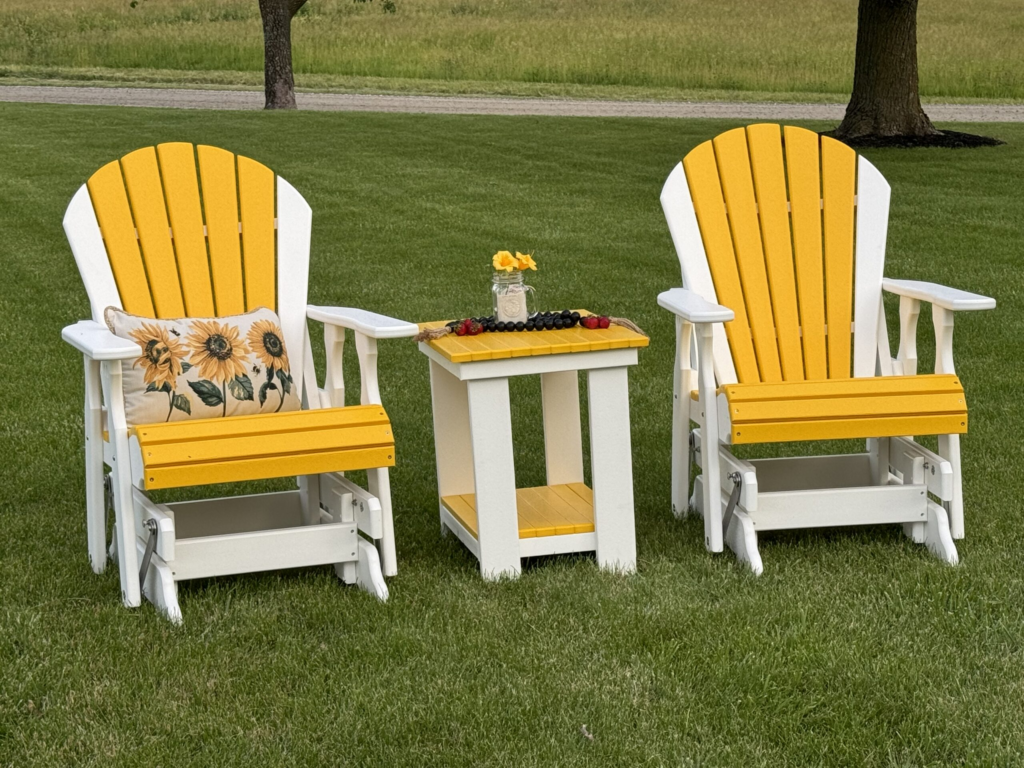
Patio glider benches are a popular choice for outdoor seating, known for their smooth motion and consistent comfort. They are designed to provide a gentle back and forth movement without needing extra clearance, making them suitable for a variety of outdoor spaces. Many homeowners prefer this style for its stability and relaxed seating experience.
Compared to traditional rocking options, they offer a more controlled and balanced motion, which is often ideal for patios, decks, and shared areas where safety matters. They also accommodate different seating preferences while maintaining a steady feel, contributing to their growing popularity among buyers exploring outdoor furniture options.
Choosing between rocking benches and glider styles depends on how you plan to use your space. While both provide comfort and relaxation, they differ in movement, structure, and overall practicality.
For those exploring different styles and materials, reviewing outdoor bench seating collections can help provide a clearer picture of available options.
Understanding Rocking Benches
Rocking benches operate on a curved base that allows the entire structure to move forward and backward. This motion creates a traditional and familiar rocking experience that many people associate with relaxation.
The movement depends on balance and positioning, which means users control the intensity of the motion. While this can feel natural, it may also require more space and a stable surface to function properly. Rocking benches are often chosen for their classic design and nostalgic appeal.
What Are Patio Glider Benches
Patio glider benches use a fixed frame with a suspended seat that moves smoothly in a horizontal motion.
Key characteristics include:
- A stable base that remains stationary
- Controlled gliding motion
- Reduced risk of tipping
- Smooth and consistent movement
These features make patio glider benches a practical option for many outdoor environments.
Comfort Comparison Between Rocking and Glider Benches
Comfort is one of the most important factors when choosing outdoor seating. Both rocking benches and glider benches offer relaxing motion, but the experience differs.
Rocking benches provide a more dynamic motion that depends on the user’s movement. Some people enjoy this flexibility, while others may find it less predictable. In contrast, glider benches offer a smoother and more controlled motion that requires less effort.
For individuals seeking consistent comfort, glider benches often provide a more stable and relaxing experience over longer periods.
Space Requirements and Placement
Outdoor furniture should fit comfortably within the available space. Rocking benches require additional clearance in front and behind to accommodate their curved motion.
Consider the following:
- Rocking benches need extra space for movement
- Glider benches work well in tighter areas
- Placement should account for surrounding furniture
- Surface stability affects performance
Glider benches are often easier to place in smaller patios or decks due to their compact motion.
Safety and Stability Considerations
Safety is an important factor, especially for families or shared outdoor spaces. Rocking benches rely on balance, which may feel less stable for some users.
Patio glider benches provide a more secure experience because the base remains fixed. This reduces the risk of tipping and makes them suitable for a wider range of users, including children and older adults.
A stable seating option can contribute to a more relaxed and worry-free outdoor environment.
Material Choices and Durability
The material of the bench plays a significant role in its longevity and maintenance requirements.
Common materials include:
- Wood for a natural and traditional look
- Poly lumber for durability and weather resistance
- Metal frames for added strength
- Composite materials for low maintenance
Each material offers different benefits, and the choice depends on climate, usage, and personal preference.
Maintenance and Long Term Care
Outdoor furniture is exposed to weather conditions, making maintenance an important consideration. Wooden rocking benches may require regular sealing or staining to maintain their appearance.
Glider benches made from durable materials often require less maintenance. They are designed to withstand moisture, sunlight, and temperature changes with minimal upkeep.
Choosing a low maintenance option can save time and effort over the long term.
Style and Aesthetic Appeal
Both rocking benches and patio glider benches come in a variety of styles to suit different outdoor settings. Design preferences often influence the final decision.
Rocking benches are typically associated with traditional or rustic aesthetics. They complement classic outdoor spaces and gardens. Glider benches, on the other hand, are available in both modern and traditional designs, making them more versatile.
For those exploring design options, browsing collections from Dutch Boy Poly can provide insight into different styles and finishes.
Use Cases for Rocking Benches
Rocking benches are ideal for settings where space is not limited and a traditional feel is desired.
Common use cases include:
- Front porches with ample space
- Garden areas with a classic design
- Relaxation spots for individual use
- Decorative outdoor settings
These benches are often chosen for their visual appeal and nostalgic charm.
Use Cases for Patio Glider Benches
Patio glider benches are suited for environments where stability and shared use are important.
Typical applications include:
- Decks and patios with limited space
- Family outdoor seating areas
- Spaces requiring consistent motion
- Areas with varied user needs
Their versatility makes them a practical choice for many homeowners.
Adirondack Glider Benches and Hybrid Designs
Adirondack glider benches combine the classic Adirondack style with the smooth motion of a glider. This creates a balance between traditional design and modern functionality.
These hybrid options offer ergonomic seating along with controlled movement. They are often chosen by buyers who want both comfort and visual appeal in their outdoor furniture.
Cost Considerations and Value
Cost can vary depending on materials, design, and construction quality. Wooden rocking benches may have a lower initial cost but require ongoing maintenance.
Glider benches may have a higher upfront cost, especially when made from durable materials, but they often provide better long term value due to reduced maintenance needs.
Evaluating total cost over time helps buyers make a more informed decision.
Choosing the Right Option for Your Needs
Selecting between rocking benches and patio glider benches depends on personal preferences and practical requirements.
Factors to consider:
- Available space
- Desired level of motion
- Maintenance expectations
- Intended use of the seating area
Understanding these factors helps narrow down the best option for your outdoor space.
Conclusion
Patio glider benches and rocking benches both offer unique benefits for outdoor relaxation. While rocking benches provide a traditional and dynamic experience, glider benches deliver smooth and stable motion that suits a wide range of users.
By comparing comfort, space requirements, safety, and maintenance, buyers can choose the option that best fits their needs. Patio glider benches are often preferred for their versatility and ease of use, while rocking benches remain a classic choice for specific settings.
For additional guidance on selecting outdoor seating, exploring outdoor furniture support and enquiries can help clarify the best option for your space.
FAQs
1. What is the difference between rocking benches and patio glider benches?
Rocking benches move on curved legs, creating a forward and backward motion that depends on balance. Patio glider benches use a fixed frame with a suspended seat that moves smoothly. This makes gliders more stable and easier to use in different environments.
2. Which option is more comfortable for long use?
Comfort depends on personal preference, but many people find glider benches more comfortable for extended use. Their smooth and controlled motion requires less effort and provides a more consistent experience compared to rocking benches.
3. Are wooden rocking benches durable for outdoor use?
Wooden rocking benches can be durable if properly maintained. Regular sealing and protection from moisture help extend their lifespan. Without maintenance, wood may be more vulnerable to weather damage.
4. Do patio glider benches require more maintenance?
Most patio glider benches are designed to be low maintenance, especially when made from durable materials like poly lumber. Occasional cleaning is usually enough to keep them in good condition over time.
5. How do I choose the right bench for my outdoor space?
Consider factors such as available space, desired motion, maintenance needs, and overall design preferences. Evaluating these elements helps determine whether a rocking bench or a glider bench is the better fit.