
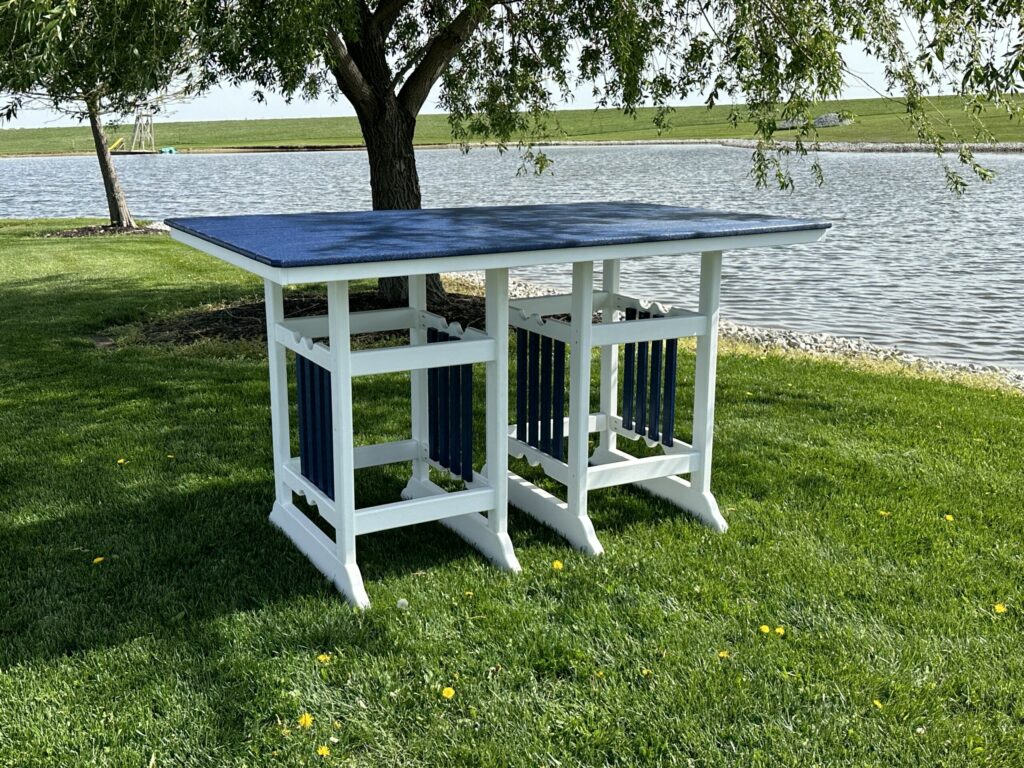
Choosing the right material for an outdoor dining table is a decision that affects both daily use and long term satisfaction. Poly and Wood for Outdoor Dining is a common comparison for buyers who want furniture that performs well outdoors while matching their design preferences. Poly and Wood for Outdoor Dining options differ in how they handle weather exposure, maintenance needs, and overall lifespan. When evaluating Poly and Wood for Outdoor Dining, buyers often focus on appearance first, but practical considerations quickly become more important. Poly and Wood for Outdoor Dining materials respond differently to sun, moisture, and temperature changes. Understanding Poly and Wood for Outdoor Dining helps buyers avoid unexpected upkeep or early replacement. Poly and Wood for Outdoor Dining should be assessed with lifestyle, climate, and usage frequency in mind. This guide explores Poly and Wood for Outdoor Dining through a balanced comparison to support informed decision making.
Understanding Poly and Wood Outdoor Tables
Poly vs wood outdoor tables represent two very different material approaches. Wood tables are crafted from natural hardwoods such as teak, cedar, or eucalyptus. These woods are selected for outdoor use because of their strength and natural resistance to decay, but they still remain reactive to environmental conditions.
Poly tables are manufactured using recycled plastic materials designed to withstand outdoor exposure. They offer uniform texture and color while remaining structurally stable over time. Buyers comparing poly vs wood outdoor tables often start by weighing natural character against engineered consistency.
To see how these materials are applied across different styles, reviewing a selection of outdoor dining tables built for exterior environments can provide helpful context.
Durability Poly vs Wood
Durability poly vs wood is one of the most important factors for outdoor dining furniture. Wood is strong but organic, meaning it expands and contracts with moisture and temperature changes. Without proper care, wood can develop cracks, warping, or surface wear over time.
Poly materials are non porous and do not absorb water. This makes them resistant to rot, splintering, and insect damage. For areas with frequent rain, snow, or humidity, durability poly vs wood comparisons often highlight poly’s consistency.
Key durability considerations include:
- Resistance to moisture and humidity
- Performance under prolonged sun exposure
- Structural stability over many seasons
Understanding durability poly vs wood allows buyers to match material performance with local climate conditions.
Maintenance Differences and Long Term Care
Maintenance differences between poly and wood tables can shape the overall ownership experience. Wood tables typically require ongoing care to preserve their appearance and strength. This may include cleaning, sealing, or applying protective finishes depending on exposure.
Poly tables require far less attention. Routine cleaning with mild soap and water is usually enough to maintain appearance. These maintenance differences become more noticeable over time, particularly for buyers who prefer low effort upkeep.
When considering a full outdoor setup, looking at complete outdoor dining sets with matching tables and seating helps buyers understand how maintenance applies across multiple pieces.
Maintenance comparison highlights:
- Wood requires periodic treatments
- Poly does not need sealing or staining
- Long term upkeep costs differ
Colour Retention and Visual Aging
Colour retention plays a major role in how outdoor furniture looks after years of use. Wood naturally changes color as it ages, often developing a faded or weathered appearance. Some buyers appreciate this natural aging, while others prefer a more consistent look.
Poly materials are produced with color integrated throughout the material. This helps maintain consistent appearance even with prolonged sun exposure. Scratches or wear are less noticeable because the color remains uniform.
When comparing poly vs wood outdoor tables, buyers should consider whether natural aging or stable color better suits their outdoor space.
Weight Comparison and Practical Use
Weight comparison affects how easily a table can be moved and how stable it feels outdoors. Solid wood tables are typically heavier, which can be beneficial in windy locations but makes repositioning more difficult.
Poly tables are generally lighter while still offering adequate stability for outdoor dining. This makes them easier to rearrange or store when needed.
Weight related considerations include:
- Ease of moving or adjusting layout
- Stability in open or windy areas
- Handling during setup or seasonal storage
Understanding weight comparison helps buyers plan for real world use.
Eco Friendliness and Material Impact
Eco friendliness is increasingly important for buyers evaluating best table materials. Wood is renewable when responsibly sourced, but sustainability depends on harvesting and manufacturing practices.
Poly tables are often made from recycled plastics, helping reduce waste and repurpose existing materials. Eco friendliness comparisons depend on whether buyers prioritize renewable resources or recycled material usage.
A complete eco friendliness assessment should include:
- Material sourcing
- Product lifespan
- Maintenance related resource use
Cost and Long Term Value
Upfront cost alone does not determine value. Wood tables may have lower initial prices but require ongoing maintenance investments. Poly tables often have higher initial costs but fewer long term expenses.
Buyers comparing poly vs wood outdoor tables benefit from considering total ownership cost, including maintenance time and replacement frequency. This approach provides a clearer picture of long term value.
Performance Across Different Environments
Environmental exposure greatly influences material performance. High humidity, coastal air, and intense sunlight can accelerate wear on wood if not carefully maintained. Poly materials tend to perform consistently across varying climates.
Covered patios or shaded dining areas may reduce stress on wood tables, making them suitable for certain environments. Climate awareness helps narrow down best table materials for specific settings.
Conclusion
Choosing between poly and wood for outdoor dining depends on how the table will be used, maintained, and exposed to the elements. Wood offers natural beauty and traditional appeal but requires ongoing care. Poly provides durability, colour retention, and minimal maintenance, making it suitable for consistent outdoor exposure.
A thoughtful comparison of durability poly vs wood, maintenance differences, weight comparison, colour retention, and eco friendliness allows buyers to select a table that aligns with their lifestyle. Exploring guidance and material insights from a trusted outdoor furniture resource can further support confident decision making.
Frequently Asked Questions
1. Which material lasts longer outdoors
Poly tables typically last longer when exposed year round due to resistance to moisture and temperature changes.
2. Do wood tables require regular maintenance
Yes, most wood tables need periodic care to maintain appearance and prevent deterioration.
3. How does colour retention affect long term appearance
Poly materials maintain consistent color, while wood naturally changes over time.
4. Are poly tables environmentally responsible
Poly tables made from recycled materials support waste reduction, depending on manufacturing practices.
5. Which table material is easier to move
Poly tables are generally lighter and easier to reposition than solid wood tables.